
Thicker Glass Is Stronger, More Stable, and Less Likely to Break Over Time
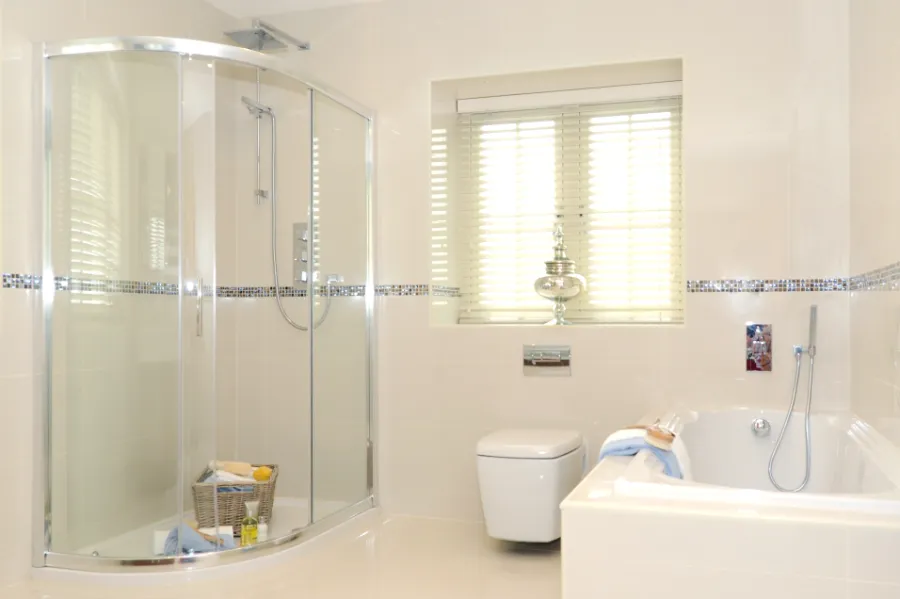
Glass thickness plays a big role in how long your shower door will last. Thicker glass is stronger, resists bending, and handles daily use better than thinner panels. Thin glass can flex, chip, or crack more easily. When choosing shower doors, the thickness of the glass affects safety, stability, and long-term durability.
Quick Answer: Thickness Impacts Strength and Stability
Most shower doors are made with tempered glass that ranges from 3/8 inch to 1/2 inch thick. The thicker the glass, the more durable and solid it feels. Thicker panels are less likely to wobble, shift, or crack under stress. They also hold up better in busy homes where the bathroom gets used many times a day.
Thinner glass, such as 1/4 inch, may cost less at first. But it can feel lightweight and may not last as long in high-use settings.
What You Need to Know Before Choosing Thickness
Before picking the right glass for your shower doors, think about these factors:
- How often the shower is used
- If the door will be frameless or framed
- The size and height of the glass panel
- The weight your wall or hinges can support
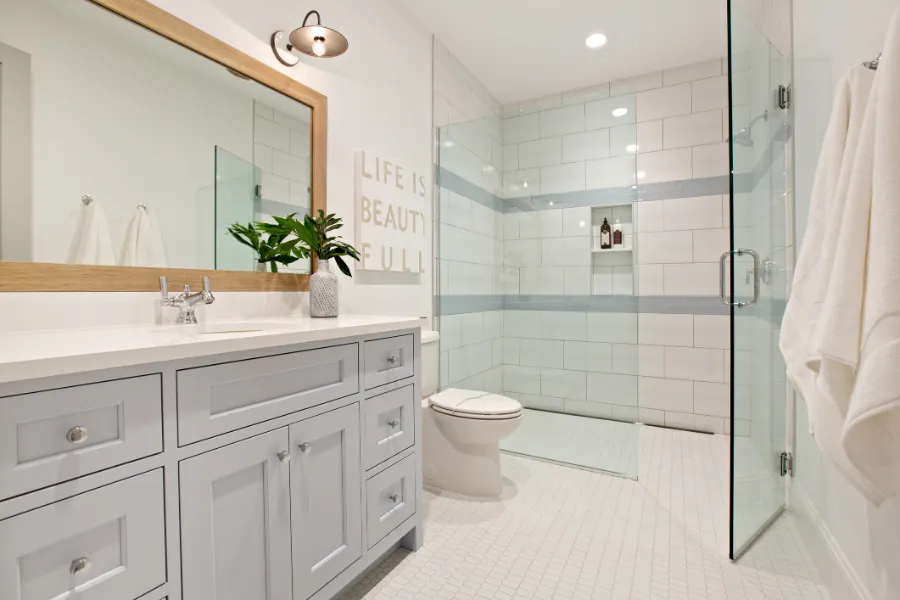
Frameless designs often require thicker glass. Since there is no metal frame to add support, the glass itself must provide strength. Framed shower doors can work well with slightly thinner glass because the frame adds stability.
Common Thickness Options Explained
Here is a simple breakdown of standard sizes:
- 1/4 inch glass: Often used for framed doors. Lightweight and budget friendly.
- 3/8 inch glass: A popular choice for semi-frameless and frameless doors. Strong and balanced.
- 1/2 inch glass: Heavy, solid feel. Used for large custom enclosures.
The jump from 1/4 inch to 3/8 inch may not sound big. But the increase in strength is noticeable. The door feels firmer when opened and closed. It also vibrates less during use.
Common Mistakes to Avoid
Many homeowners focus only on price. That can lead to picking glass that is too thin for the setup. Here are mistakes that often happen:
- Choosing thin glass for a large frameless panel
- Ignoring the weight limits of wall anchors
- Mixing heavy glass with weak hardware
- Not thinking about long-term daily wear
Another mistake is assuming all tempered glass performs the same. Thickness changes how the panel handles stress. A thicker piece spreads out pressure better. This reduces the risk of cracks near hinges or handles.
When Thicker Glass Makes the Most Sense
Thicker glass works best in these situations:
- Large walk-in showers
- Homes with kids who may pull on doors
- High-end bathroom remodels
- Frameless shower designs
For example, a tall frameless shower door with 1/2 inch glass will feel steady even when fully opened. A thinner panel in the same space may sway slightly. That movement adds stress to hinges over time.
When to Call a Professional
Glass weight increases fast as thickness grows. A 1/2 inch panel can weigh much more than you expect. Proper installation matters for both safety and durability. If the hardware is not anchored correctly, even thick glass can fail.
A professional can measure the space, check wall studs, and choose hinges rated for the weight. They can also guide you on balancing cost and durability. This is especially important for custom shower doors or large glass panels.
Final Recommendation
If you want shower doors that last for years, thicker glass is usually the better choice. It resists daily stress, feels sturdy, and adds a clean modern look. The right thickness depends on your layout and how you use your bathroom. In Sarasota, FL, I help homeowners choose and install durable glass enclosures that fit their space and budget. At The World of Glass LLC, I focus on strong materials and proper support so your door stays solid over time. If you have questions or want expert advice, call me at (941) 278-0206 and I will be happy to help.